EXCEPTIONAL DENTISTRY IN A FUN, CARING ENVIRONMENT



SENSE OF HUMOR
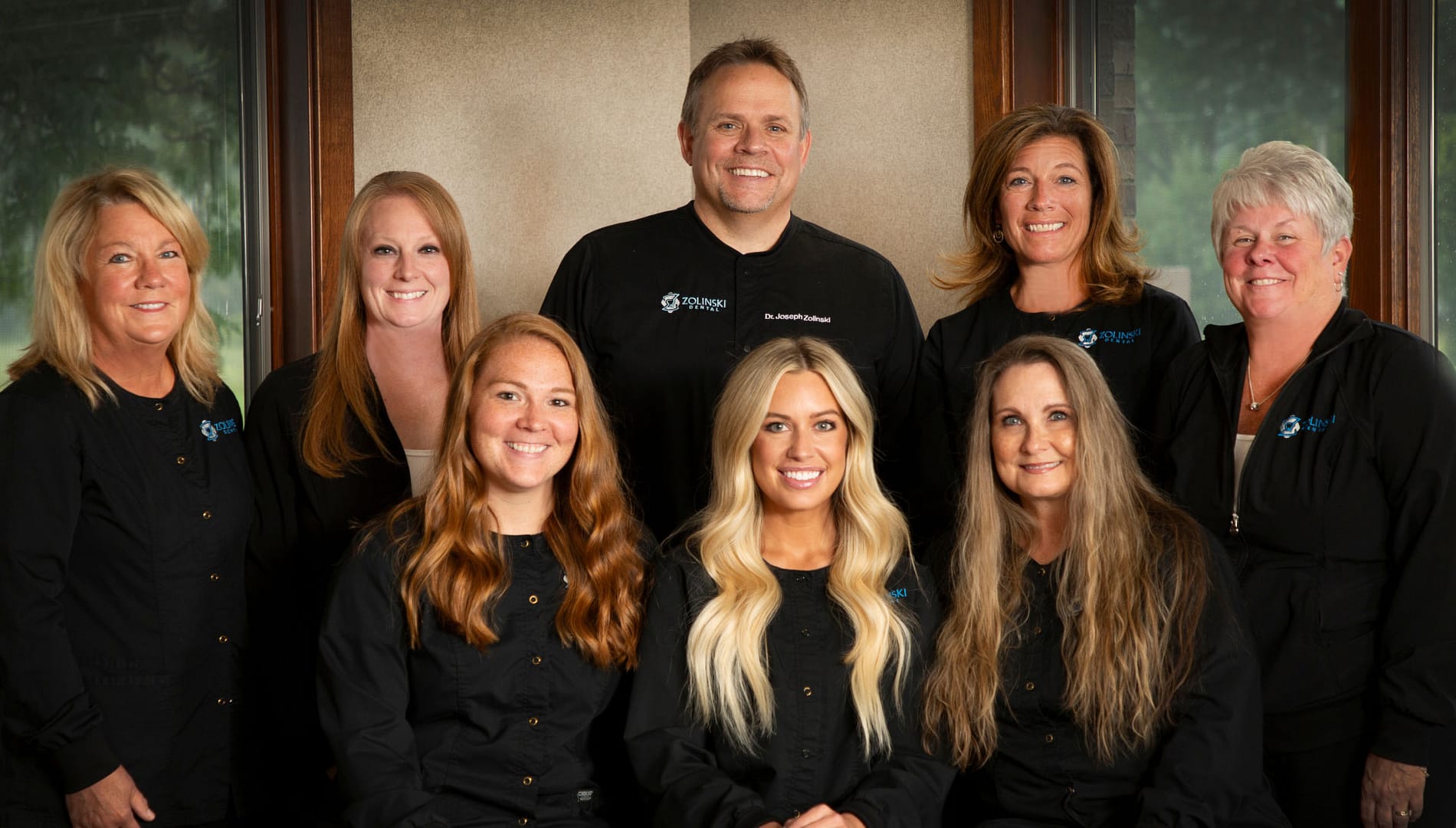
We’re not your average dental practice—we enjoy sharing lots of laughs with our patients!

a stress-free way to
Maintain Your Healthy Smile
Dr. Joseph Zolinski, DDS delivers comprehensive dental care in a welcoming atmosphere. Whether you need a preventive dental cleaning and evaluation, major restorative treatment, or cosmetic smile makeover, we are here to help.
Our team combines their expert dental skills and playful personalities to provide exceptional care and stress-free experiences to you and your family. We get to know our patients and believe that visits to the dentist should be fun and enjoyable for everyone.
Let us help you maintain a happy, healthy smile.
Contact our friendly team today to arrange your first appointment.
a stress-free way to
Maintain Your Healthy Smile
Dr. Joseph Zolinski, DDS delivers comprehensive dental care in a welcoming atmosphere. Whether you need a preventive dental cleaning and evaluation, major restorative treatment, or cosmetic smile makeover, we are here to help.
Our team combines their expert dental skills and playful personalities to provide exceptional care and stress-free experiences to you and your family. We get to know our patients and believe that visits to the dentist should be fun and enjoyable for everyone.
Let us help you maintain a happy, healthy smile.
Contact our friendly team today to arrange your first appointment.

GENERAL
DENTISTRY
Regular preventive dental visits are important to maintaining healthy teeth and gums.
LEARN ABOUT GENERAL DENTISTRY

COSMETIC
DENTISTRY
We offer a wide range of cosmetic treatments, from teeth whitening to smile makeovers.
LEARN ABOUT COSMETIC DENTISTRY
Expert Advice and Trusted Care
Our Services
Crowns
Crowns provide strength and support to damaged teeth so you can avoid further problems.

Bridges
Bridges are restorations anchored to existing healthy teeth and are great for replacing missing teeth.
Full Mouth Restorations
Full mouth restorations are customized treatment plans that use a variety of techniques to restore optimal oral function.
Dental Implants
Dental implants are permanent tooth replacements that look and feel just like your natural teeth.

Teeth Whitening
We offer both in-office and at-home whitening treatments to brighten your smile.
Veneers
Veneers correct cosmetic imperfections in your smile so you can look and feel your best.
restorative
DENTISTRY
Restorative dentistry is all about restoring proper function so patients can live healthy lives.
LEARN ABOUT RESTORATIVE DENTISTRY

SMILE
MAKEOVERS
We completely customize your smile makeover to help you achieve the smile you’ve always wanted.
LEARN ABOUT SMILE MAKEOVERS
DENTAL CARE DONE DIFFERENTLY
Dr. Zolinski and team go above and beyond high-quality, professional dental care. At our practice, you can expect us to always have your best interest in mind; we treat all patients like our very own family, taking the time to really get to know them. We have a laugh together and make dental visits fun, positive experiences for all.
Are you looking for a dental home?
Start your journey toward a healthier, more beautiful smile.

BOOK A CONSULTATION
Contact us today to book your next dental visit with Dr. Zolinski and our team.

ONLINE PATIENT FORMS
Please fill out these forms online prior to your first appointment.
Meet the Dentist
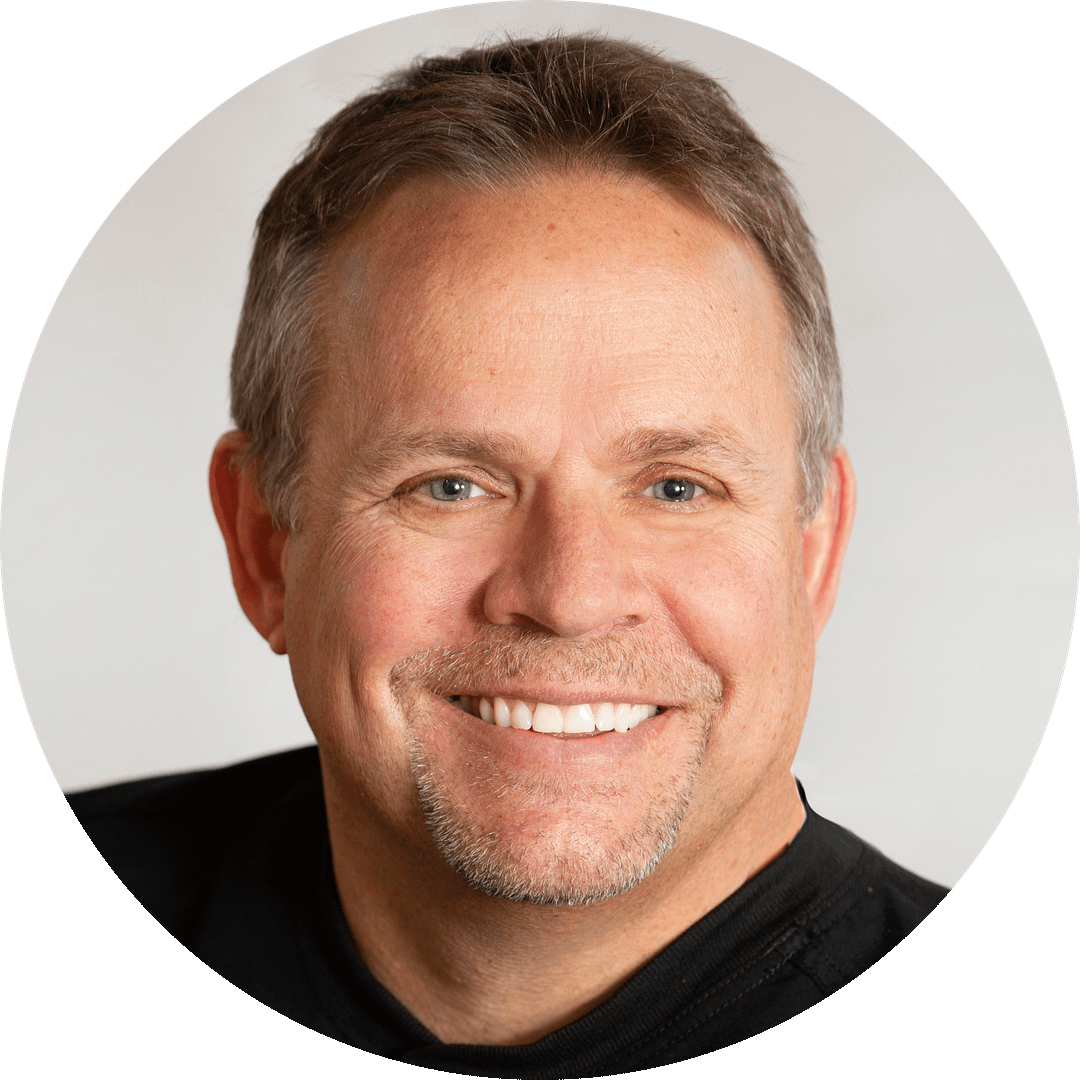
Dr. Joseph P. Zolinski
Dr. Zolinski decided he would be a dentist at just 6 years old. Now, after nearly 30 years in the dental field, he says there is nothing he would rather do for a living. Dr. Zolinski is committed to providing his patients with perfection. He is also known for his sense of humor and ability to put his patients at ease. Patients keep coming back to us not only because we provide exceptional dental care but also because of our team’s personalities and the lighthearted, positive environment we have created.
Ready to take the next step toward a happy, healthy smile?
Contact the team at Dr. Joseph Zolinski, DDS today.
Dr. Joseph Zolinski, DDS
General Dentistry | Cosmetic Dentistry | Restorative Dentistry
Call us: 989.792.8400
EMAIL US
Visit us: 4977 Mackinaw Rd, Saginaw, MI 48603
OFFICE HOURS:
Monday to Thursday
8:00am-5:00pm
Closed Friday
Book Appointment Online
Add your details to the form below our friendly team at Dr. Joseph Zolinski, DDS will contact you to confirm your appointment time.